
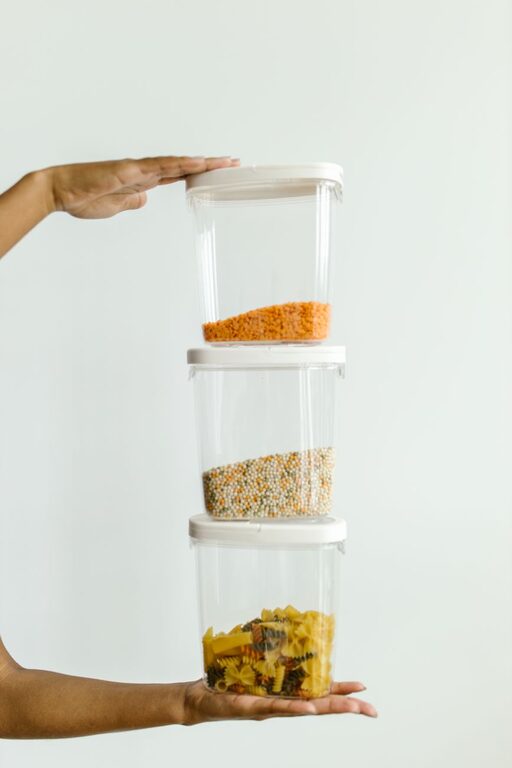
Planning meals from pantry staples is a great way to save time, reduce food waste, and manage your grocery budget. Whether you’re facing a busy week, aiming to eat healthier, or just want to get creative with what’s on hand, knowing how to build meals around pantry ingredients can make cooking less stressful and more enjoyable.
In this article, we’ll explore practical steps and helpful tips to plan satisfying meals using the basics from your pantry. Let’s dive into how you can make the most of your staple ingredients.
What Are Pantry Staples?
Pantry staples are non-perishable or long-lasting food items you keep on hand for everyday cooking. These typically include:
– Grains: rice, pasta, quinoa, oats
– Canned goods: beans, tomatoes, vegetables, tuna
– Baking essentials: flour, sugar, baking soda, baking powder
– Oils and vinegar: olive oil, vegetable oil, balsamic vinegar
– Spices and herbs: salt, pepper, garlic powder, chili flakes, dried oregano, basil
– Nut butters and sauces: peanut butter, soy sauce, hot sauce
Having a well-stocked pantry with these basics means you can create a wide variety of meals without needing last-minute trips to the store.
Step 1: Take Inventory of Your Pantry
Before planning meals, spend some time checking what you have. Organize your pantry shelves and write down key ingredients, especially those nearing their expiration dates. This helps you:
– Avoid buying duplicates
– Use what you already have before it goes bad
– Identify ingredients that can be combined creatively
Try grouping similar items together (e.g., all canned goods in one spot), so you can easily scan your options while cooking.
Step 2: Choose a Base for Your Meal
Most meals can start with a base carbohydrate or protein. Depending on your pantry, some common bases include:
– Grains: rice, pasta, couscous, or quinoa
– Legumes: canned beans or lentils
– Canned fish: tuna, salmon, or sardines
– Eggs: if you have fresh eggs in your fridge or pantry
Decide what base matches your mood and the ingredients you have. For example, rice and beans can create a filling meal, or pasta with canned tomatoes can make a quick sauce.
Step 3: Add Flavor with Sauces and Spices
Pantry staples often lack fresh ingredients, but spices and sauces can bring your dish to life. Consider these flavor boosters:
– Garlic powder, onion powder, or dried onion flakes
– Cumin, paprika, chili powder for warmth and depth
– Soy sauce or Worcestershire sauce for umami
– Vinegars like apple cider or balsamic to brighten flavors
– Dried herbs like oregano, thyme, or rosemary
Mix and match seasonings to suit your taste. Even a simple drizzle of olive oil and sprinkle of salt and pepper can enhance a dish.
Step 4: Incorporate Vegetables and Protein
If you have canned or frozen vegetables, now’s the time to use them. Popular pantry-friendly options include:
– Canned corn, green beans, mushrooms, or artichokes
– Jarred roasted red peppers or olives
– Frozen peas, spinach, or mixed vegetables
Pairing these with your base and spices can create balanced meals. If you have protein sources like canned beans, tofu, or nut butters, incorporate them for added nutrition.
Step 5: Plan Simple, Flexible Recipes
Here are a few meal ideas you can customize based on your pantry contents:
1. One-Pot Pasta
– Cook pasta in a saucepan.
– Add canned tomatoes, garlic powder, and dried herbs.
– Stir in any canned veggies or beans.
– Finish with olive oil and a sprinkle of cheese (if available).
2. Rice and Bean Bowl
– Cook rice according to package instructions.
– Heat canned beans with cumin, chili powder, and garlic.
– Top with canned corn or salsa.
– Add a splash of lime juice or vinegar for freshness.
3. Tuna Salad Wraps
– Mix canned tuna with a bit of mayo or olive oil.
– Add chopped jarred peppers or olives, some dried herbs.
– Serve wrapped in a tortilla or on bread.
4. Soup from Staples
– Use canned tomatoes, beans, and broth or water.
– Season with onion powder, garlic, and herbs.
– Add any frozen or canned vegetables.
– Simmer until flavors combine.
Step 6: Keep a Running List for Shopping
As you plan meals and notice what you’re missing, keep a shopping list of pantry items to restock. Aim to maintain a consistent supply of your favorite staples to avoid last-minute shortages.
Bonus Tips for Successful Pantry Meal Planning
– Rotate your pantry regularly: Use older items first.
– Batch cook: Prepare large portions to save time.
– Mix fresh and pantry items: Add a fresh salad or fruit on the side when possible.
– Try new spices: Experiment to keep meals exciting.
– Meal prep snacks: Use nuts, seeds, or dried fruit from the pantry for quick energy.
Conclusion
Planning meals from pantry staples is a smart and satisfying way to cook at home. With a well-organized pantry and a little creativity, you can whip up tasty dishes without stress or extra shopping. Start by taking inventory, choosing your base ingredients, and building meals around the flavors you love.
By embracing your pantry staples, you’ll enjoy convenient meals that nourish your body and your budget. Happy cooking!